
Chereponi: A Community Shaped by Conflict, Culture and Resilience
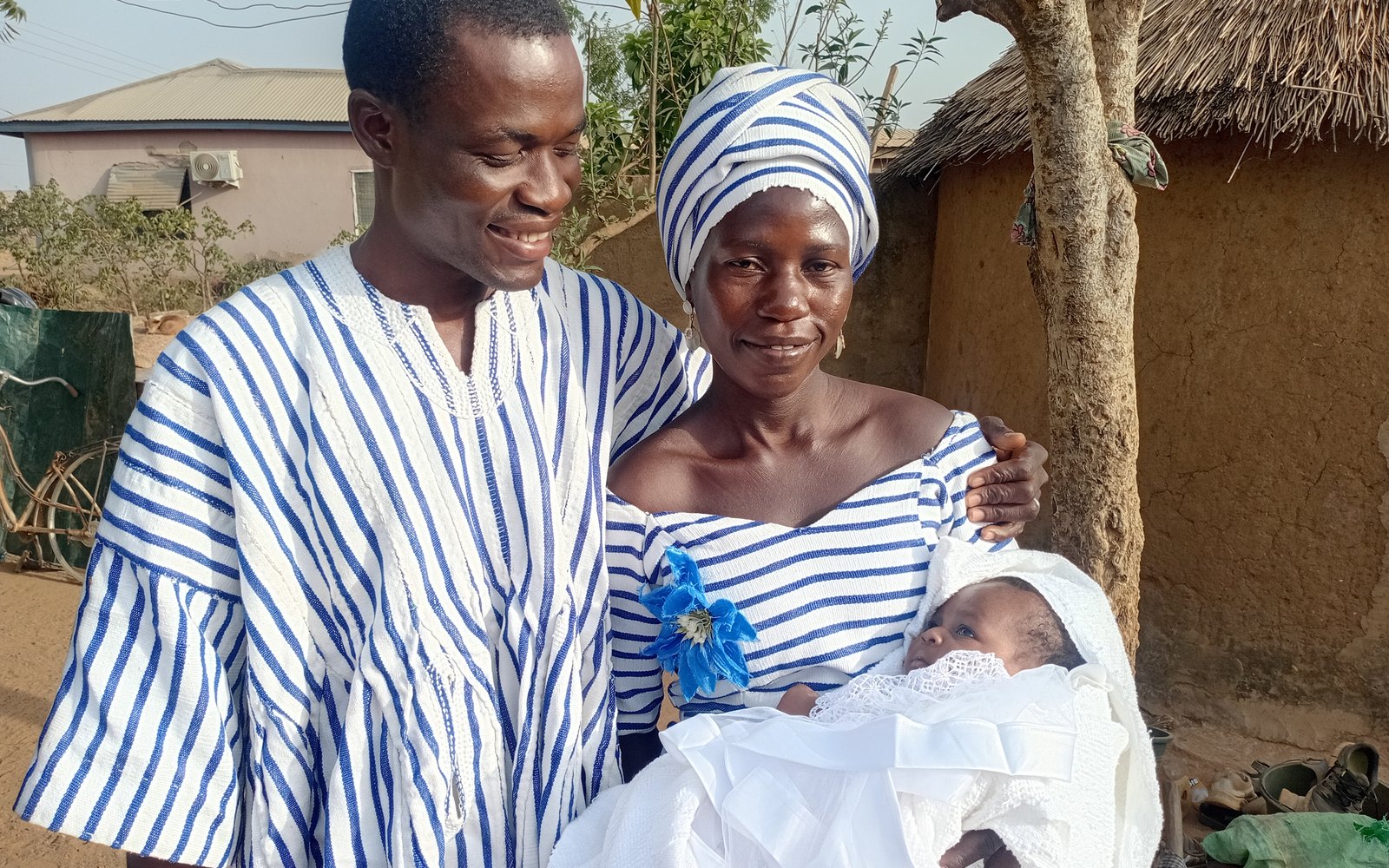
A first-hand guide to Chereponi in Ghana's North East Region: the Chokosi (Anufo) people, their history, the Guinea Fowl War, and visiting today.
In August 2017, I went to Chereponi for the first time through my then best friend. Her mother was a trader and constantly travelled to villages and other West African countries.
Chereponi,in Ghana’s North East Region, is a community known for its rich cultural diversity and close proximity to the Ghana-Togo border. The Chokosi, also known as the Anufo, are classified as an Akan ethnic group.
Beyond its everyday scenes of markets, farms, and rural life, however, the area carries a complicated history of communal tensions.
When I visited Chereponi for the first time, their local language sounded and was worded like Twi, but with a Francophone accent. According to the woman who hosted me, the meaning of “Chokosi” is “Twa’mu kosi,” which she explained as “cross to the end.”
The Chokosi migrated from Anor, present-day Côte d’Ivoire. The Anufo were around the Komo River, an area largely inhabited by people of Akan origin, in the 18th century.
The Anufo were neither farmers nor traders. They were Denkyira warriors who fought communities, captured people, and recruited them into their forces. They became known for their strength and prowess. This was when some northern kingdoms began to form military alliances with them. Some of these kingdoms included the Gonja, Mamprusi, Sisala, and Grussi kingdoms.
The first battle the Anufo fought for was for the Gonja Kingdom, and they were reportedly rewarded with slaves as payment.
Returning to Chereponi After the Conflicts
In 2022, I decided to visit Chereponi after the conflicts. From Tamale to Yendi, the bus driver noticed that I wasn’t a native and tried to convince me not to go. He even showed me the scars he had obtained from the violence.
I still didn’t budge.
I left Tamale at 2:34 pm and by 6 pm,we were in Yendi. We were told that after 6 pm no one travelled beyond Yendi because the Wapuli stretch towards Chereponi was considered dangerous, with reports of dangerous herdsmen who attacked and robbed travellers.
We spent the whole night in Yendi, and by 6 am the next day, we were on our way to Chereponi.
From the station to the home of the old woman who was hosting me was a considerable distance, and the only form of transportation available to us at the time was a donkey and cart.
Communication with the locals, and even with my host, wasn’t a problem at all. The Chokosi language sounded remarkably similar to Twi, which was very helpful when communicating and researching their migration and existence in the North.
The Anufo are simple people. They just want to be recognized and remembered as Ghanaians.
At some point in Anufo history, they wanted to join the northern part of Togo, but the Ghanaian government did not agree. This also contributed to tensions. Their reason was that they felt more Togolese than Ghanaian.
The Guinea Fowl War
In 1994, the Guinea Fowl War erupted after a relatively small dispute but quickly developed into large-scale ethnic violence involving the Konkomba, Nanumba, Dagomba, and Gonja communities.
More than 1,000 people were reportedly killed and about 150,000 displaced, with the Saboba-Chereponi area among the districts placed under a state of emergency.
Chereponi experienced further violence decades later. In 2017, clashes involving Chokosi and Bimoba communities were linked to a dispute over fishing rights on the Kpembi River, resulting in deaths.
Disputes over farming land, fishing grounds, and other resources have sometimes escalated into wider communal violence.
Yet beyond the conflicts and the history of violence, Chereponi remains a community of people, culture, language, and resilience.
It is a place where history lives alongside everyday life, and where questions of identity, belonging, and cultural heritage continue to shape the community.
- Ghana
- North East Region
- Chereponi
- Culture
- Northern Ghana